Source connectors and ingestion
Pipelines from SharePoint, Drive, Confluence, ticketing, email, ERP and CRM, with incremental sync and deletions handled.
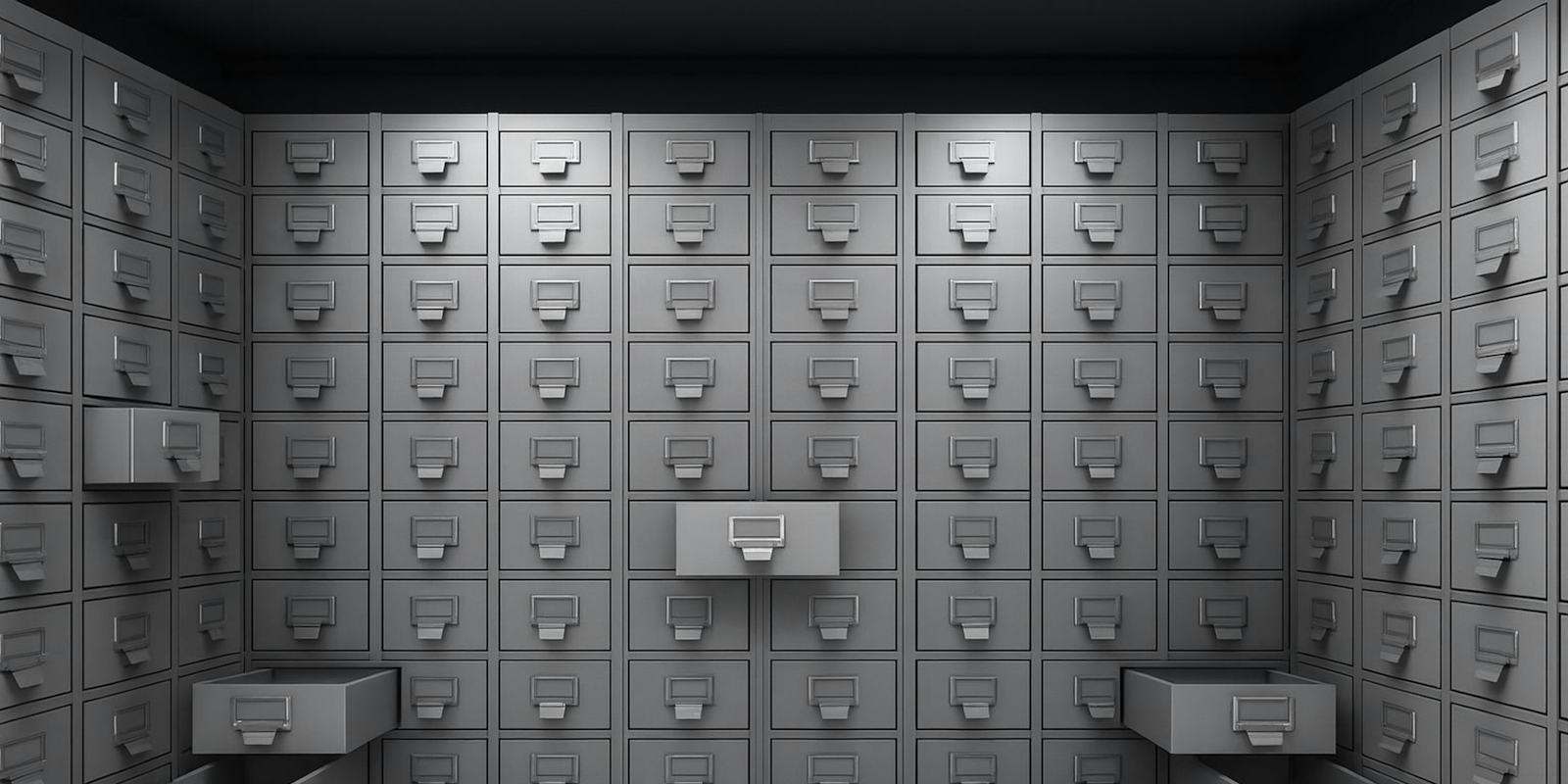
Labs 24 builds retrieval systems over your documents and data: contracts, SOPs, tickets, ERP records. Every answer cites its source, respects who is allowed to see what, and is scored against the questions your team actually asks.
Retrieval-augmented generation (RAG) lets a language model answer from your own documents and data instead of its training. Labs 24 builds production RAG with forward deployed engineers: clean ingestion, structure-aware chunking, hybrid search, reranking, permission checks and citations, all scored against real questions from your team.
When a RAG system gets an answer wrong, the model is rarely the cause. The right page was never parsed, the clause was split in half, an old version ranked first, or the search missed the word the document actually uses. We fix the data path first.
 Every answer links back to the page it came from
Eight parts of data and retrieval engineering we own end to end, from the source system to the cited answer.
Pipelines from SharePoint, Drive, Confluence, ticketing, email, ERP and CRM, with incremental sync and deletions handled.
Layout-aware parsing of PDFs, scans, slides and spreadsheets, with OCR where needed and tables kept as tables.
Chunks that follow headings, clauses and sections, tagged with source, version, date, owner and document type.
Keyword and vector search combined, filtered by metadata, then reranked so the best passage comes first.
Access rules from the source systems mirrored into the index and enforced on every query, so nobody sees what they shouldn't.
Answers built only from retrieved passages, with links to the exact page or record, and a clear "not found" when the data isn't there.
Text-to-SQL and API lookups for questions that live in databases and spreadsheets, checked before they run.
A question set with known answers from your team, scored for retrieval hit rate, faithfulness and citation accuracy on every change.
An example from a contracts assistant. Switch between basic vector search and a production retrieval pipeline, and see what the model is handed.
Example figures from one eval run on a 300-question set. Your numbers depend on your documents, which is why we build the question set first.
The data path has eight steps. A failure at any one of them looks the same to the user: a confident, wrong answer.
| What goes wrong | What users see | What we do |
|---|---|---|
| Chunks split mid-clause | Half answers that miss the exceptions | Chunk by heading, clause and table, not by token count |
| Old versions retrieved | Confident answers from superseded documents | Version and date on every chunk, filters, and sync that removes deleted files |
| Scans and tables lost | "Not found" for data that is in the PDF | Layout-aware parsing and OCR, tables stored as tables |
| Words don't match | Search for "late fee" misses "liquidated damages" | Hybrid keyword and vector search, then a reranker |
| Permission leaks | People see documents they shouldn't | Source permissions mirrored into the index and checked per query |
| No measurement | Quality judged by anecdotes | A question set with known answers, scored on every change |
We start from the questions your team asks and the answers they expect, then build the data path to get them right. A demo every Friday, on your real documents.
 Your team writes the questions. We make the answers right.
We map where the knowledge lives and collect real questions with correct answers from your team.
Ingestion, parsing and chunking for the main sources, with cited answers on real questions.
Reranking, metadata filters and permission checks, tuned until the question set scores where it should.
Scheduled sync, monitoring and a feedback button, so wrong answers become new test cases.
We pick the store for your scale and your infrastructure. Often Postgres you already run is enough.
Documents that cannot leave your network? The whole pipeline, including embeddings and models, can run on your own hardware. See Production & Cloud Engineering.
Under NDA, so clients stay unnamed. Each one runs on the client's own infrastructure with full IP transfer.

Answers questions across case files with citations to the page, on self-hosted models so client documents never leave the firm.
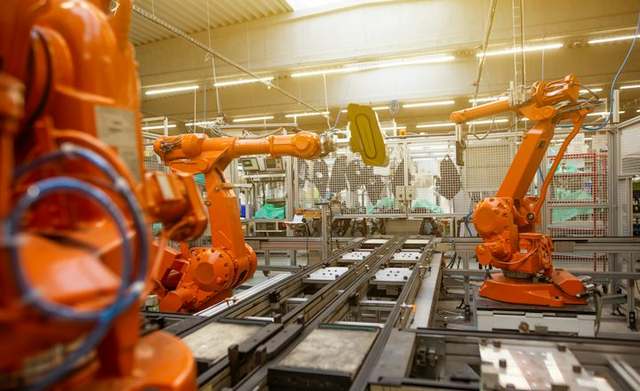
Lets the shop floor search SOPs, specs and batch records in plain language, with answers tied to the current document version.

Pulls the right care instructions and clinic policies for each follow-up, with staff access rules enforced on every lookup.
The same index serves the models, the agents and the people searching. These disciplines work on it together.
Agents that look things up before they act.
02The models that turn retrieved passages into answers.
04Question sets, scoring and drift alerts.
05Index hosting, scaling and self-hosted embeddings.
06The ERP, CRM and document systems we pull from.
11Access control, data residency and audit trails.
RAG is a way of letting a language model answer from your own documents and data. A retrieval step finds the most relevant passages for each question, and the model writes an answer using only those passages, with citations back to the source.
RAG development covers connecting to source systems, parsing documents and scans, structure-aware chunking, metadata enrichment, hybrid keyword and vector search, reranking, permission-aware retrieval, cited answers and retrieval evals. Labs 24 delivers all of these with forward deployed engineers and scores them against real questions from the client's team.
Usually because of the data path, not the model: pages that were never parsed, clauses split across chunks, old document versions ranking first, or searches that miss the words a document actually uses. Labs 24 fixes these with layout-aware parsing, structure-aware chunking, version metadata, hybrid search and reranking.
Use RAG when answers depend on documents or data that change and must be cited. Use fine-tuning when you need a model to follow a fixed format or style at high volume. Many production systems use both: RAG for knowledge, a fine-tuned model for format.
It depends on scale and where you want the data to live. Postgres with pgvector, for example on Neon, is often enough and keeps data in a database you already run. Qdrant and Pinecone suit larger indexes and heavier filtering. Labs 24 picks after measuring retrieval on your own question set.
Yes. Labs 24 mirrors access rules from the source systems, such as SharePoint or Drive permissions, into the index and checks them on every query, so each user only retrieves documents they are allowed to see.
Yes, through text-to-SQL or API lookups instead of plain text search. Queries run with read-only access and are checked before execution, and answers cite the records they came from.
Labs 24 maps the sources and collects real questions with correct answers, builds ingestion and a hybrid index with cited answers, tunes reranking, filters and permissions until the question set scores well, then goes live with scheduled sync, monitoring and a feedback loop.
Labs 24 prices after an initial embed and source audit, once the number of sources, documents and users is known. Clients keep full IP, and the index runs in their own infrastructure.
A 30-minute call. Bring a few real questions and tell us where the answers live. We'll tell you what a reliable RAG system over them would take.
Book a build call